
"from Central America"
4000 article(s) found

Madagerba Coffee Region Nicaragua Coffee Flavor Characteristics
Professional coffee knowledge exchange More coffee bean information Please pay attention to coffee workshop (Weixin Official Accounts cafe_style) Front Street-Nicaragua Coffee Introduction Central America is a land bridge connecting North and South America. There are seven countries, namely Belize, Costa Rica, El Salvador, Guatemala, Honduras, Nicaragua and Panama. Coffee is produced in seven Central American countries, including melons.

Central America Switzerland-Costa Rican coffee beans, a big exporter of boutique coffee
For the exchange of professional baristas, please pay attention to the coffee workshop (Wechat official account cafe_style). For coffee, many people only recognize the amount of coffee consumed by Taiwanese. According to a NOWNEWS report, there are as many as NT $13.5 billion a year, but except for some coffee fans, many consumers only know lattes and cappuccinos, and they are very unclear about the coffee beans themselves. I guess Manning, Mamba, blue

What are the characteristics of Central American coffee beans_Changes and competition for the most intense coffee production continent
Professional coffee knowledge exchange More coffee bean information Please pay attention to coffee workshop (Weixin Official Accounts cafe_style) Early, Costa Rica and Guatemala, is the representative of Central American coffee beans, that sweet, lubricating acid, straight through taste buds, gentle, lingering flavor, aroma, unforgettable! With the Geisha of Emerald Manor in Panama, the Salvadoran hybrid succeeded

The flavor and taste of Honduran coffee from Central and South America.
Professional coffee knowledge exchange more coffee bean information please follow the coffee workshop (Wechat official account cafe_style) Honduras was previously less well-known in the consumer market due to the lack of strong support in the handling and transportation of raw beans. In recent years, the roasting countries have actively changed and expanded the coffee industry, which has gradually opened up the international popularity of coffee from Honduras. Flood

Coffee producing area | Belize coffee producing area introduces the flavor characteristics of Belize coffee in Central America.
Belize is a Central American country located between Mexico in the north, Guatemala in the west and south, and the beautiful Caribbean Sea in the east. Belize coffee is grown organically under the canopy of the rainforest at Gulong Water Pot Manor in the western plateau of Belize. The estate covers an area of 130000 acres and includes cattle, corn, orchards, wildlife and tourist attractions. Fertilizer

Characteristics of coffee beans in Latin America Variety introduction of manor flavor description and taste treatment in Latin America
The characteristics of coffee beans in Latin America ■ Mexico (Central America), the main coffee producing country in Central America, where the coffee tastes comfortable and charming aroma, the Mexican coffee selected are Coatepec, Huatusco, Orizaba, among which Cottpe is considered to be the best coffee in the world.
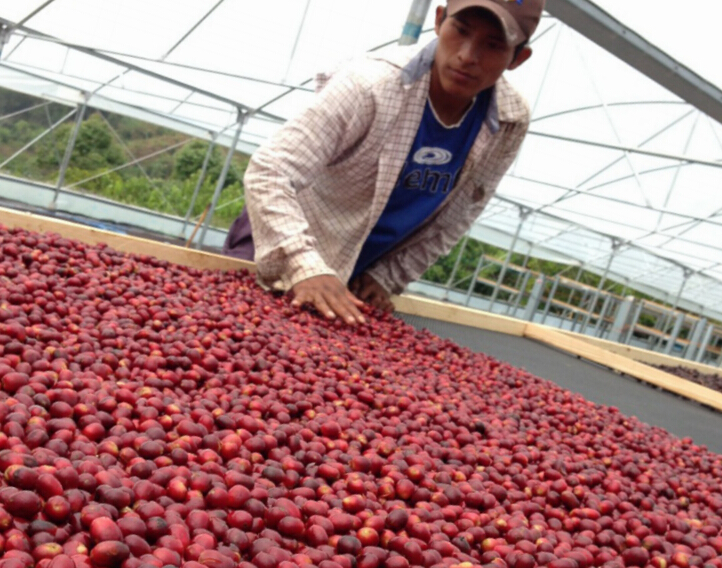
Hand net baked El Salvador Red bourbon El Salvador map and Guatemala Honduras adjacent Central America
Many coffee lovers will not know the country of El Salvador, which is located in Central America, bordered by Guatemala and Honduras in the north, and the Pacific coastline in the west and south. El Salvador is the smallest country in Central America and the most densely populated country in Central America. The topography is mainly mountainous and plateau, with many volcanoes. Santa Ana active volcano is 2385 meters above sea level.

Defense of Coffee in Central America: searching for Super genes to Save Wild Coffee
In March, about 20 people, including the world's top coffee researchers, gathered at the Centre for Tropical Agricultural Research and higher Education (CATIE) in Turialva, Costa Rica, to discuss the uncertain future of coffee, the world's most popular beverage crop, in Central America. The theme of the seminar was a very harmful agricultural disease: coffee rust in local Spanish.

Nicaraguan Coffee Flavor Manor in Central America introduction to boutique coffee beans
Why do instant coffee easily lead to infertility? According to the editor of the China Food and Beverage Network, both instant coffee and milk tea contain large amounts of milk trans fatty acids. According to relevant experts, these trans fatty acids reduce male hormone secretion and inhibit sperm motility; they also affect egg quality and increase the risk of infertility and fetal malformations. Trans fatty acids affect

What is the standard of coffee grading in Central and South America? does altitude determine the level of coffee?
It is understood that the more common classification of coffee beans is generally based on the size of coffee beans, according to the size of the sieve, and also according to the defect rate. of course, the difference in this classification also goes deep into every country and region, and they cannot be done step by step. after all, there is a big difference. Most of the Central and South American countries are in Central and South America, and most countries are classified as one.

The flavor of Honduran coffee. The kind of coffee from Central America. The picking method of Honduran coffee.
Honduras: special highland coffee flavor and taste characteristics: good flavor, rich and mellow, suitable for mixed drinking. Honduras is located in the north of Central America, facing the Caribbean Sea to the north, the Gulf of Fonseca in the Pacific Ocean to the south, Nicaragua and El Salvador to the east and south, and Guatemala to the west, mostly mountains and plateaus. It has a tropical climate, mild temperature, abundant rainfall, and is a coffee producer.
The protagonist of the coffee myth in Latin America, Central America and the Caribbean
When it comes to Jamaica, we immediately think of "Blue Mountain" coffee. Rare and expensive true blue mountain beans, originally from the Wallensford Coffee Garden, have now been expanded to the Blue Mountains with an altitude of more than 1000 meters. As long as the tree species and treatment procedures of the manor meet certain standards, the government will issue a guarantee to allow the use of the name "Blue Mountain".

The protagonist of the coffee myth in Latin America, Central America and the Caribbean
When it comes to Jamaica, we immediately think of "Blue Mountain" coffee. Rare and expensive true blue mountain beans, originally from the Wallensford Coffee Garden, have now been expanded to the Blue Mountains with an altitude of more than 1000 meters. As long as the tree species and treatment procedures of the manor meet certain standards, the government will issue a guarantee to allow the use of the name "Blue Mountain".

South African coffee beans are fragrant and have less acidity, like coffee bean cafes in Central America.
Boutique coffee has a strict grading system. Generally, raw beans are preserved in parchment coffee beans in the form of endocarp after processing, and the endocarp is removed before export. Go through a strict grading process to ensure the uniformity of quality. And it is very important to preserve the protection in the process of transportation, such as the control of temperature and humidity, the control of ventilation, avoiding odor adsorption and so on.
El Salvador is one of the small countries in Central America with a balanced flavor of individual coffee.
Boutique coffee is fresh coffee. Whether it's food or drink, of course, the fresh the better, and so is boutique coffee. High-quality coffee should keep the coffee beans fresh before making, including the preservation of baked beans, and grind the coffee beans into powder before making, which is also to retain its original and best flavor. And the way of making hand-made coffee is such a way to make high-quality coffee.

Do American coffee beans represent that there are many coffee-growing places in America? evaluation of Central and South American Coffee
Professional Coffee knowledge Exchange more information about coffee beans Please follow the coffee workshop (official Wechat account cafe_style) every morning, millions of people around the world like to have a cup of coffee to start the day. In doing so, they may not know the exact location of the beans used to produce lattes or black coffee. Generally speaking, the top coffee growing and exporting regions in the world

[coffee producing area] the "unpopular" top coffee production in Central America-is Honduran coffee good?
Professional coffee knowledge exchange more coffee bean information please follow the coffee workshop (Wechat official account cafe_style) Honduran coffee have you tasted? Honduras, a country in Central America, is particularly unpopular among many Central American coffee-producing countries because it has not established diplomatic relations with China. But as you may not know, since 2011, Honduran coffee

Nicaraguan Coffee Flavor Manor in Central America introduction to boutique coffee beans
Managua, the capital of Nicaragua, is located in the west of the border, on the south bank of Lake Managua, hence its name. The northwest is 140 kilometers away from the Collinto seaport on the Pacific coast. 55 meters above sea level. It is a Spanish city with beautiful scenery. Because it is located to the east of the Pacific volcanic active seismic belt, there have been four strong earthquakes in the city in the past 100 years, including one in December 1972.

Nicaraguan Coffee Los Congo Manor in Central America
Beautiful sour taste, moderate mellow Nicaraguan coffee belongs to the Central and South American style coffee, although the acidity is not very high, but it feels refreshing. The mellow degree is also not high, but the overall feeling is just right, neither thin nor too strong. To make it easier to accept. The taste of red wine can be vaguely felt in the shallow sour taste, which is also a major feature of Nicaraguan coffee.
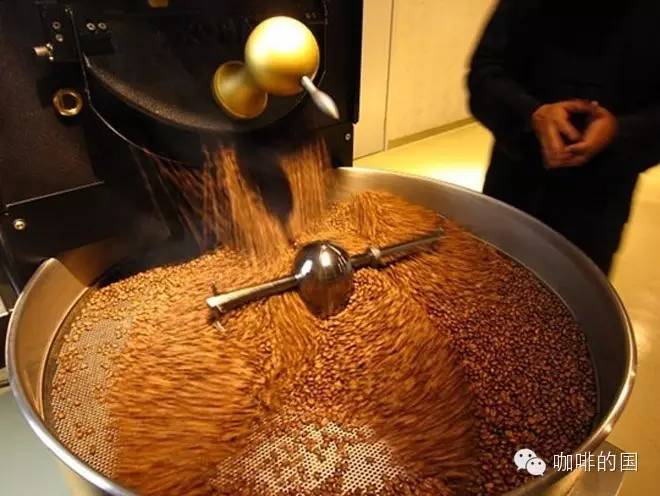
The hottest country in Central America, the Ireta Manor of Panama, SHB Cadurat, a selection of boutique coffee.
Coffee was introduced into Panama in 1780, when Europeans introduced the first Typica tree species. After that, this mysterious and strange drink conquered the senses of Panamanians, and the local people began to grow it widely. Panamanian coffee is very smooth, full particles, light weight, and perfect acidity balance, its high-quality coffee bean flavor is pure, very distinctive. Because of its wide popularity, Panama University